
How to Choose the Right Concrete Mixing Station for Your Construction Projects
Looking for a reliable concrete batching plant? This comprehensive guide covers top global supplier selection, core technical configurations, and eco-friendly designs to maximize your ROI.

Introduction
In modern construction, the quality of concrete directly determines the durability and safety of infrastructure such as highways, bridges, high-rise buildings, and industrial facilities. A high-performance concrete mixing station (batching plant) is no longer just a supporting machine—it is a core production asset that impacts project efficiency, cost control, and final structural strength. Selecting the right system can significantly reduce operational risks while improving return on investment (ROI). This article provides a structured, engineering-focused guide to help you understand different plant types, key technical configurations, environmental considerations, and how to evaluate global suppliers effectively.
1. Understanding Different Types of Concrete Batching Plants
Choosing the correct type of concrete mixing station is the first critical decision. Different engineering scenarios require different levels of mobility, capacity, and automation.

Stationary Concrete Mixing Stations (HZS Series)
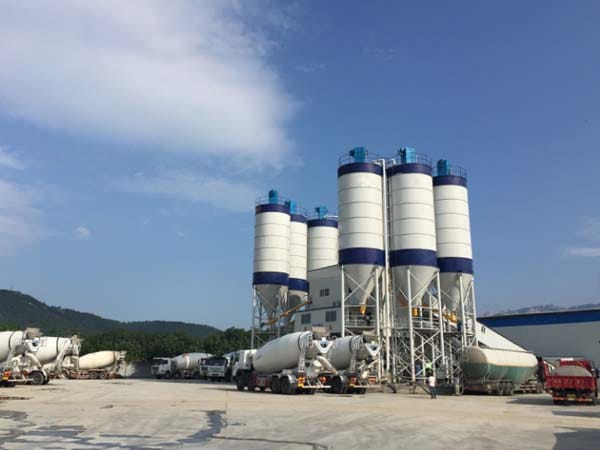
Stationary batching plants are designed for long-term, large-scale production environments such as commercial ready-mix concrete plants, infrastructure hubs, and industrial construction zones.
Key characteristics include:
- High production capacity (commonly 60–240 m³/h or more)
- Strong structural stability for continuous operation
- Advanced automation options for mass production
- Lower long-term cost per cubic meter of concrete
These systems are ideal when the project location is fixed and production demand is stable over time.

Mobile Concrete Batching Plants
Mobile concrete batching plants are engineered for flexibility and rapid deployment. They are widely used in road construction, bridge projects, remote infrastructure, and short-term construction sites.
Key advantages include:
- Fast installation and dismantling (often within days)
- Compact modular design for easy transport
- Reduced foundation requirements
- High adaptability for multi-site projects
Although slightly lower in maximum capacity compared to stationary systems, mobile plants excel in logistics efficiency and project flexibility.
2. Core Technical Configurations to Look For
When evaluating a global concrete batching plant supplier, looking beyond the overall price tag and diving deep into the core technical configurations is essential. The efficiency, durability, and mixing quality of a concrete mixing station heavily rely on three critical components: the mixer, the batching system, and the control software.

Twin-Shaft Concrete Mixer: The Heart of the Plant
The mixer is the most vital part of any concrete batching plant. Top-tier global manufacturers primarily utilize mandatory twin-shaft concrete mixers (such as the JS series) rather than traditional drum mixers. Twin-shaft mixers feature counter-rotating blades that create a high-turbulence mixing environment. This ensures that aggregates, cement, and water are thoroughly blended within 30 to 45 seconds, resulting in high-uniformity commercial concrete. When checking supplier specifications, ensure the mixing paddles and liner plates are made of high-chromium, high-manganese wear-resistant cast iron. This significantly extends the service life and reduces maintenance downtime.

Precision Batching System and Cement Silos
Accurate measurement of raw materials is the cornerstone of producing high-strength concrete. A premium concrete batching machine (PLD series) should feature independent aggregate weighing hoppers equipped with high-precision load cells. Instead of cumulative weighing, separate weighing minimizes error margins to less than ±2% for aggregates and ±1% for cement, water, and liquid additives. Additionally, the configuration of cement silos must match your production capacity. For a standard HZS120 plant (120 m³/h capacity), reputable suppliers generally recommend a minimum of three 100-ton bolted cement silos equipped with reliable screw conveyors, safety valves, and continuous level indicators to ensure a smooth, uninterrupted powder material supply.Fully Automatic PLC Control System: The Brain
Modern construction projects require smart, data-driven operations. A world-class concrete mixing plant must be equipped with a fully automatic PLC (Programmable Logic Controller) control system, often paired with industrial computers (IPC). This system acts as the brain of the factory, allowing operators to store hundreds of concrete mix recipes, automate the entire batching-mixing-discharging cycle, and print real-time production reports. Look for suppliers that integrate globally recognized electrical components (such as Siemens, Schneider, or Omron). Brand-name components guarantee that your automated control system remains stable under harsh, dusty job site conditions and that replacement parts are easy to source locally.3. Eco-Friendly and Energy-Saving Designs

Advanced Dust Collection and Suppression Systems
Dust emission is the biggest environmental challenge for any traditional concrete mixing plant. Premium concrete batching plants tackle this issue through fully enclosed structures. Reputable manufacturers wrap the entire main mixing tower, aggregate belt conveyor, and batching machine in high-quality color steel plates to prevent dust from escaping. Furthermore, top-tier plants are equipped with pulse-jet cloth bag dust collectors installed on top of the cement silos and the mixing host. These active filtration systems boast a dust removal efficiency of over 99.6%, collection recycling the filtered powder back into the production line. This design effectively eliminates air pollution while preventing raw material waste.Zero-Discharge Wastewater and Waste Residue Recycling
Water conservation and zero-waste discharge are critical benchmarks for an eco-friendly concrete plant. Leading manufacturers integrate an intelligent slurry and aggregate recycling system (sand and gravel separator) into the plant layout. Wastewater from washing the mixing trucks and the mixing host is directed into multi-stage sedimentation ponds. The aggregate separator separates sand and stones from the waste slurry, allowing them to be reused in new concrete batches. The treated water is filtered and pumped back into the mixing system or used for site dust suppression. This closed-loop recycling setup achieves 100% zero-discharge of industrial wastewater, saving thousands of dollars in water bills annually.Noise Control and Intelligent Energy Saving
Operating a heavy-duty concrete plant can generate substantial noise pollution, restricting operational hours near urban areas. To mitigate this, advanced suppliers utilize low-noise electric motors, scientific acoustic insulation cotton padding around the mixing block, and shock-absorbing rubber foundations for vibrating parts. On the energy efficiency front, intelligent frequency conversion technology is applied to large motors like screw conveyors and belt drives. By optimizing the start-stop sequence and running speeds based on real-time load requirements, these smart systems can reduce overall electricity consumption by 15% to 20% compared to traditional non-inverter batching plants.4. Key Factors to Consider When Selecting a Global Supplier
Navigating the international market to procure a heavy-duty concrete batching plant requires a strategic approach. While initial pricing is a significant factor, global buyers must assess long-term operational viability, international compliance, and supply chain reliability. Here are the critical factors to evaluate before signing a contract:International Certifications and Regulatory Compliance
Different regions enforce distinct safety and environmental standards. Before finalizing your order, verify that the manufacturer holds relevant international certifications, such as ISO 9001 for quality management, CE marking for European markets, or UL compliance for electrical components in North America. Purchasing a plant that fails to meet local environmental or electrical regulations can result in severe fines, failed factory inspections, and costly customization retrofits after delivery.After-Sales Service and Localized Technical Support
A concrete mixing station is a high-wear production line that operates under intense conditions. Unplanned downtime can cost a construction project thousands of dollars per hour. Therefore, prioritize global suppliers that offer robust after-sales support. Ask the manufacturer if they provide on-site installation guidance, overseas engineer dispatching, and comprehensive operator training. Suppliers with localized service centers or authorized local distributors are highly preferable, as they can respond to mechanical emergencies within hours rather than days.Global Logistics, Clearance, and Spare Parts Availability
Shipping a massive, heavy structure like a concrete plant involves complex international logistics. A reputable global supplier should have a dedicated logistics department capable of handling container optimization (e.g., mixing flat racks, open-top containers, and standard HQ containers) to minimize freight costs. Furthermore, ensure that the supplier maintains a well-stocked overseas warehouse for consumable parts—such as mixer blades, liners, filter bags, and sensors. Fast international shipping for critical spare parts is essential to keeping your production line running smoothly for years to come.Frequently Asked Questions (FAQ)
1. What is the difference between an HZS series stationary plant and a mobile concrete plant?
An HZS series stationary concrete plant is designed for long-term, high-capacity commercial concrete production, featuring a stable foundation and enclosed structure. A mobile concrete batching plant is built on a trailer chassis, allowing it to be easily disassembled, moved, and reinstalled on temporary or fast-moving job sites like highways and bridges.2. How much does a commercial concrete batching plant cost?
The price varies widely depending on the production capacity (measured in cubic meters per hour) and configuration. A small-scale plant (e.g., 25–35 m³/h) can range from $25,000 to $50,000, while a large-capacity, fully enclosed commercial mixing station (e.g., 120–180 m³/h) with eco-friendly systems can cost anywhere from $150,000 to over $400,000.3. Why is a twin-shaft mixer preferred over a drum mixer for commercial concrete?
Twin-shaft mixers use forced, high-turbulence mixing mechanism which can thoroughly blend complex concrete recipes (including low-slump and high-strength concrete) in under 45 seconds. Drum mixers rely on gravity and take much longer, making them inefficient for large-scale commercial ready-mix concrete production.4. What environmental permits are usually required for a concrete mixing station?
While regulations vary by country, most local governments require an Environmental Impact Assessment (EIA). This typically evaluates your dust suppression capabilities (enclosed structures and pulse dust collectors), industrial wastewater treatment (zero-discharge recycling systems), and noise control barriers.5. How long does it take to ship and install a concrete batching plant internationally?
International maritime shipping usually takes 20 to 50 days depending on the destination port. Once the components arrive on-site, a standard stationary plant requires 3 to 6 weeks for foundation curing, mechanical assembly, electrical wiring, and system calibration under the guidance of the supplier's engineers.Conclusion
Selecting the right concrete mixing station is not simply a purchasing decision—it is a strategic investment that directly affects project efficiency, cost control, and long-term structural quality. By understanding plant types, evaluating core technical systems, considering environmental performance, and carefully assessing supplier capability, construction companies can significantly improve ROI and reduce operational risks. For large-scale infrastructure and commercial projects, a well-matched batching system becomes a foundational asset rather than just a piece of equipment.
Request Technical Blueprints & Factory Quotes
Submit your machinery parameters below. Connect directly with verified, certified heavy industrial manufacturers to receive custom foundation drawings, layout schematics, and direct-from-factory pricing.